Welcome to the official blog of The Brand Wellness Center. Please join us for holistic health news, inspirational insights and enlightening ideas on healing. Feel free to add your comments and share our blog with friends.
Showing posts with label Elderly. Show all posts

May 17, 2023

Screening for Oral Cancer

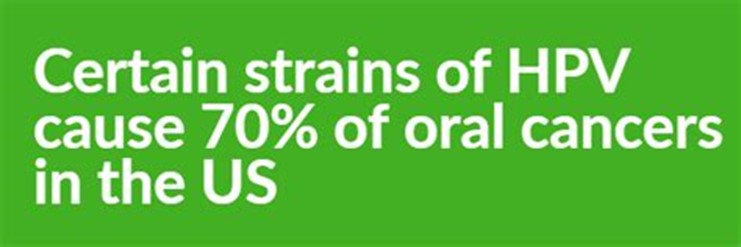
Mouth and throat cancers are on the rise. And the number one cause of these types of cancers is not from smoking, and not from alcohol use. These used to be the most common causes, but times have changed. Nowadays, the number one cause of oral cancer is from the HPV virus.


So what is the HPV virus?


According to recent studies, 79 million Americans are presently living with the Human Papilloma Virus (HPV). The number of people who have oral HPV has continuously increased over the past three decades. The CDC says nearly everyone will get a form of HPV at some point in their lives, and about 14 million Americans, including teens, become infected each year. It is more common in men than women.


There are low-risk HPV types which have a low association with cancer, but these can lead to genital warts or oral papillomas.


And there are high-risk HPV types which can cause cell changes and pre-cancers. The most common high-risk HPV types include HPV 16 and 18. These contribute to chronic, or long-lasting infections that can convert to cancer over time.


So how does one acquire the HPV virus?


Oral HPV occurs when the virus enters the body, usually through a cut or small tear inside of the mouth. According to the CDC, these are the most common risk factors:


• Oral sex. Evidence suggests that an increase in oral sexual activity may be a risk, with men being more at risk, especially if they smoke.

• Multiple partners. Having multiple sexual partners may increase your risk. According to the Cleveland Clinic, having more than 20 sexual partners over your lifetime can increase your chances of getting an oral HPV infection by up to 20 percent.

• Smoking. Smoking has been shown to help promote HPV invasion. Inhaling hot smoke makes you more vulnerable to tears and cuts in the mouth, and is also a risk factor for developing oral cancers.

• Drinking alcohol. Research has indicated that a high intake of alcohol increases the risk for HPV infections in men. If you smoke and drink, you’re at an even higher risk.

• Open mouth kissing. Some research has said that open mouth kissing is a risk factor, as it can be transmitted from mouth to mouth, but more research is necessary to determine if this increases your risk for oral HPV.

• Being male. Men have a greater risk of receiving an oral HPV diagnosis than women.

• Age. It’s more common in older adults because it takes years to develop.


All these factors together can create the worst scenario for developing oral cancer. And this is how the actor Michael Douglas believes he developed his Stage 4 oral cancer back in 2010. You can read about him here.


In the past, it has been difficult to diagnose oral HPV, until a (cancer) lesion was actually present. But now there is a simple painless Saliva Test that can be done in your dentist’s office to see if HPV is present, and which types, if any. The prognosis is excellent if HPV is discovered early, before the cancer develops.


At your next dental visit, be sure to ask for this simple diagnostic screening test. With proper health care, most oral HPV infections will go away on their own without treatment. But you would need to know its presence before taking steps to eradicate it.

January 2, 2023

Vitamin D: How much do we need?


Vitamin D is an essential nutrient that helps regulate calcium and phosphorus in the body. It plays a major role in maintaining proper bone and tooth structure. Most recently, it has been implicated as a necessary nutrient to keep our immune system strong and is an important marker (need high blood values) in recovering from Covid.


Demineralized teeth from Vitamin Deficiency


So if you have periodontal disease (gum inflammation and bone loss), rampant tooth decay, osteoporosis or immune issues, you should definitely get your Vitamin D levels evaluated. Healthy blood levels should be between 60 to 80 ng/ml. Conventional medicine says any number above 20 ng/ml is enough. It isn’t.


There are different forms of vitamin D: ergocalciferol (vitamin D2) and cholecalciferol (vitamin D3). Vitamin D3 is twice as effective as D2 and easier for your body to use.


Vitamin D is found in fish, eggs, and fortified milk. It's also made in our skin when exposed to sunlight. During periods of sunlight, vitamin D is stored in fat and then released when the body needs it and no sunlight is available. Without adequate vitamin D levels, your body will only absorb 10-15% of the calcium you eat from your diet. Health problems are sure to follow.


So how much Vitamin D do we need each day? According to this Pubmed research, doses of 800-5000 IU/day should be enough. Enough to prevent deficiency and obvious health problems. If your blood values are low (less than 30 ng/ml) you might need more. Also, bear in mind that Vitamin D is a fat soluble vitamin and needs to be taken with a fatty meal to maximize absorption. If you are just popping your vitamin D with a salad, you may be getting no benefit from the vitamin.


As an extra note, I want add that it is possible to overdo Vit D intake. Recent research has shown that high blood levels of Vitamin D ( more than 100 ng/ml) may cause hypercalcemia leading to calcification of soft tissues and blood vessels. This may result in cataracts, kidney issues (nausea, high blood pressure, excessive urination and thirst), fatigue, dehydration, muscle weakness, heart arrhythmia and dizziness.


Best to speak with your licensed health provider to determine how much supplementation you should take daily. Or bring your lab blood results to to your next dental visit, and I can guide you accordingly.

February 9, 2020

Facial Rejuvenation with Acupuncture

I just got the nicest compliment. I was returning from the airport recently, taking the Express bus back to the city, and got carded when requesting the senior citizens discount. The guy just couldn’t believe that I was over that certain age.

And just last week, I was at a dental meeting, and a classmate (from 40 years ago) of mine, approached me to see if it were really me. He said that he walked by a few times to be sure, because I looked too young to be me now.

As the years go by and the wrinkles creep in, the skin sags and the posture weakens. It takes focus and dedication to stay healthy. Looking younger than your years, is just a side effect of that dedication. I have always tried to have a healthy lifestyle, and it has been challenging. There are so many toxins to deal with on a daily basis. Toxic people, toxic food supply, toxic air (I live and work in the city), toxic electrical (EMF and Wi-Fi) and most of all working in toxic dentistry (high mercury).

I do a lot to detox daily and apparently it has paid off. You can look through my many blogs to get the gist, or you can purchase my book My Secrets to Regaining Health to get a better understanding of this philosophy.

Conventionally, surgery, Botox and dermal fillers are the most common choices to eradicate wrinkles and sagging. And these procedures are becoming more common in many dental offices. For those with sensitivities, side effects can be chancy and sometimes deadly. So if you are looking for natural ways to age gracefully, these choices are not on the list. There are other options.

Facial Acupuncture

Which brings me to Facial Acupuncture for Facial Rejuvenation. A simple non –toxic way to create a “facelift” without the surgery. As far as I know, we are the only dental office offering this, and honestly, I believe we have it handled really well. Since we take into account your many other health concerns that can be addressed with an integrative approach.

This would be a basic list that we can review to enhance the outcomes from facial acupuncture
• Exercise, including Face exercise
• Increase antioxidants
• Face massage
• Exfoliation
• Using healthy skin creams with no toxic chemicals
• Detoxification
• Drinking appropriate amounts of water
• Get enough sleep so that the body can actually heal

Facial acupuncture has been around for centuries. It will open the meridians to your face and other parts of your head, creating a clarity of mind that will never be possible with conventional methods. Surgery, Botox and fillers will create blockages in the meridians, and may ultimately create future health problems. 

Actually according to this article in Psychology Today based on a recent PubMed study, Botox will change your brain activity, and not in a good way.

Ongoing research, however, has revealed an unintentional and rather alarming consequence: Botox injections in the forehead and face rearrange the brain’s sensory map of the hands. What's concerning is that clients typically come back for regular injections, because the limited paralysis the toxin induces lasts only two to three months. The ongoing question is whether repeated treatments over a period of years result in permanent changes to one’s brain.

As an integrative health practitioner, I always look for the healthiest and simplest ways to heal and stay well. If we can physiologically stay young while chronologically aging, so be it. Facial Acupuncture is one part of the solution.

For further information please check out our webpages on Acupuncture and Facial Rejuvenation Acupuncture

December 25, 2019

Stopping Tooth Decay

Every now and then, I have a patient who is not a perfect candidate for dental work. Usually, there is a cavity that needs to be filled but the patient can’t sit still long enough to have a filling done. These patients are either very young (under the age of 5) or considerably aged. Either way there are compliance issues and they can’t cooperate enough to have a filling completed.

Standard protocol would usually require for the dental work to be done under general anesthesia (most likely in a hospital setting). As many of you may be aware, general anesthesia can have many adverse side effects, some which can be deadly.

For non-cooperative or medically compromised patients, silver diamine fluoride (see our post here) has been one option and is a minimally invasive treatment to arrest decay. However, the only negative with this product is that it contains fluoride. In the holistic community, fluoride is taboo. (see our many posts on fluoride here.)

Teeth Stained from Silver Nitrate

For the holistically minded, there is another option for treatment. Silver nitrate can be used instead of silver diamine fluoride to totally stop decay in deciduous (baby) teeth. It is also a good option for the elderly who are not cooperative for dental work due to mental or physical challenges. Silver nitrate will prevent further damage from the decay and ultimately buy some time until the deciduous tooth exfoliates in the young child or the patient can be more compliant.

Silver nitrate has all the advantages of silver diamine fluoride but none of the neurotoxicity that is associated with fluoride. Here is a list of advantages in using silver nitrate on dental cavities:

• effective to help stop cavity development after a cavity has formed.
• helps kill the bacteria that break down tooth surfaces while also keeping them from spreading to other teeth.
• often suggested as a more comfortable alternative to drilling cavities. This can be helpful for children or adults who have anxiety about the dentist or may not be able to fully engage in dental procedures, such as those with special healthcare needs.
• helpful as a cavity treatment if you’re overly sensitive to the instruments and substances used during cavity treatments.
• help keep cavities to a minimum or prevent them entirely if you feel that it’s difficult to make time for regular dental check-ups or feel uncomfortable about cavity procedures. It’s quick, requires no special equipment, and generally only needs to be done once per year.

The downside of using silver nitrate (as well as silver diamine fluoride) is it will turn the tooth black, permanently. Not a problem for posterior teeth or baby teeth, but can be unsightly on front teeth. Also silver nitrate can stain more than just teeth. It can also stain soft tissues, restoration margins, fingernails, skin and clothing. So special care must be used to prevent this. For the skin, the stain will dissipate in about 2 weeks. It will take longer for everything else, and may even remain permanently discolored. The extent of staining and the length of staining vary significantly among individuals.

Silver nitrate is a safe, painless alternative to traditional cavity drilling procedures. It may stop the cavity from spreading, but will not fill the hole created by decay. It is a good interim procedure when a restoration is not possible.

We may not recommend silver nitrate in every case of cavities. But it has been proven to be highly successful in stopping the development and spread of cavities. A great choice for young children and the elderly.

If you like this post, you may also like:  Silver Diamine Fluoride in Caries Management

February 24, 2019

Tooth Erosion

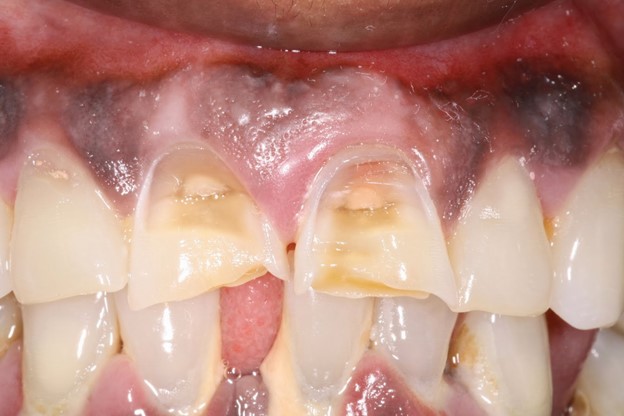
Have you ever noticed that your teeth look thinner than they used to? Maybe even a bit darker? Some wear is inevitable as we age, but excessive wearing away of the tooth surface can have many causes.

According to one recent study, general dental erosion was found in 28% of 15 year olds and 34% of 17 year olds. Basically that means that erosion prevalence is rising as we chronologically age. Additionally, severe dental erosion was found in nearly 20% of adolescents (age 15 to 17). That’s almost 1 out of every 5 teenagers.

Statistics like this are alarming, since erosion of teeth will only lead to bigger dental problems in the future – usually tooth sensitivity, nerve exposure and even breakage of the teeth involved.

This bio-corrosion of teeth is a multifactorial issue that needs to be addressed at an early age, before damage is done, as the damage is usually irreversible.

Tooth erosion can look different depending on the cause. Here are a few different scenarios.

Fronts of teeth are eroded
         

Teeth edges are eroded


These are the many causes of tooth erosion:
• Clenching or grinding of teeth
• Acidic foods and drinks (carbonated beverages, some bottled flavored waters, ACV or lemon water)
• Medications
• GERD –gastro-esophageal reflux disease
• Eating disorders (vomiting after eating- anorexia or bulimia)
• Overbrushing with electric toothbrushes or hard bristle toothbrushes
• Abrasive toothpastes
• Acidic saliva pH (usually due to diet or toxicity in system)
• Mineral deficiencies
• Vitamin deficiencies
• Swimming in chlorinated pools (See our blog Swimming Can Be Harmful to Your Teeth 

All of the above are correctable, with simple lifestyle modifications. Be sure to ask at your next dental appointment on how we can best address these necessary changes in habit, diet or nutrient supplementation. By being proactive now, you will prevent bigger dental problems in the future.

September 15, 2018

Flossing Really is Important

Here’s a newsflash.

Flossing your teeth BEFORE you brush has been proven to be the most effective way to get your teeth their cleanest. This recent study recently published in the Journal of Periodontology has just confirmed exactly what I have been telling patients for years: Floss First! (You can take a look at our blog written 4 years ago to get the details on this)

Flossing

Apparently, by removing all the interproximal plaque and food debris, you will actually be able to clean more of the tooth surface and gums. Makes perfect sense to me.

Consequently the question that pops into my mind is: why do all the directions on the toothpaste tube say to brush first and then floss? Here are a few reasons:
• Brushing is easier than flossing
• Toothpaste taste better than floss
• Toothpaste is advertised everywhere and more socially acceptable, floss isn’t
• The more you brush, the more toothpaste you will buy (therefore the label advises you to brush first)

Finally, if flossing is so important for dental health, it is best to make sure you are doing it correctly; most people aren’t. At your next dental visit, make it a priority to ask your dentist/hygienist for a quick demo to master this critical part of keeping your teeth healthy for a lifetime.

February 18, 2018

Cold sores vs. Angular Cheilitis

With so much stress in our lives, cold sores on the lips (and in the mouth) are commonplace.  But sometimes a cold sore may be something else. If you've ever had cold sores that didn't respond to medication designed to treat them, it might be angular cheilitis, a completely different medical condition that looks surprisingly similar. The good news is that angular cheilitis is usually easy to treat, perhaps even easier that cold sores.


Angular cheilitis may mimic cold sores, but there are specific signs you can look for to tell them apart.
1.     Angular cheilitis usually begins as a patch of dry, irritated or cracked skin at one or both corners of the lips. It can persist for years, if left untreated.
2.     Cold sores typically begin as an itchy or painful area that turns into one or a group of small, painful blisters. Over a 7-10 day time period, they may weep, scab over, and then finally heal. They can be found anywhere on the soft tissues of the mouth, intraorally and extraorally.
3.     Angular cheilitis originates from a yeast or staph infection, vitamin deficiencies or poor fitting dentures.
4.     Cold sores are a contagious viral outbreak, usually manifesting when you are under stress or have a weakened immune system.


A cure for either one of these conditions is simple and quick once we know the cause. Nutritional support with a painless laser treatment is usually the easiest way to treat these and to prevent recurrence. Knowing which one you have can make all the difference in the outcome. Always best to see your health provider for a proper diagnosis and plan of action.

January 7, 2018

Silver Diamine Fluoride in Caries Management


There are several ways to reverse or arrest decay (see our many posts on this topic), and the application of silver diamine fluoride has come up recently as a possible solution. In our office, the inquiries on silver diamine fluoride are mostly from parents of young children, hoping to avoid having fillings placed in their toddler’s teeth.

Silver diamine fluoride (SDF) is a colorless strongly alkaline liquid (pH 10) that is 24.4% to 28.8% (weight/volume) silver and 5.0% to 5.9% fluoride. Just as 5% sodium fluoride varnish has FDA clearance as a Class II medical device for the treatment of tooth hypersensitivity, FDA classified SDF as a fluoride and cleared its use as a Class II medical device for the same indication. SDF has been popular for many years in Europe and recently became available here in the United States.

Teeth Stained by Silver Diamine Fluoride


A recent article in the New York Times highlighted the use of silver diamine fluoride (SDF) as an alternative approach to treatment of cavities in children. The article highlighted that SDF was faster and cheaper than drilling and filling; and it mentioned the downside that when applied, SDF blackens the tooth. When applied to a carious lesion, SDF has been shown to lower caries risk of the tooth surface. This is most likely due to its fluoride content topically applied to the tooth. It will not stop decay from progressing deep within the tooth.

Here is a short list of the Pros and Cons:
Pros
• SDF has very low toxicity
• it is quick, painless, non-invasive
• it is less expensive than a filling, no drilling necessary
• it can stop tooth decay on the exterior surface of the cavity and help prevent recurrent decay making it effective in management of root caries in the elderly


Cons:
• permanently stains cavities black.
• does not restore tooth form or function, so large holes in teeth will remain and continue to trap food
• decay and bacteria will continue to exist buried within the tooth structure at the deep internal part of the cavity lesion. This means that the cavity is still active and growing at the part nearest the nerve
• requires repeat application for maximum efficacy
• cannot be used in the presence of infection or decay into the nerve
• metallic taste, funky smell
• potential to irritate gingival and mucosal surfaces

SDF is not a complete solution to caries risk. Single application has been reported to be insufficient for sustained benefit. SDF might be more accurately described as effective for caries control and management. It will not reverse decay.

It likely has additional applicability as an interim approach for managing problematic caries in individuals currently unable to tolerate more involved dental treatment.

A search of ClinicalTrials.gov for silver diamine fluoride returned 14 studies; 7 of which have been completed, 5 that are recruiting, and 2 that have not yet begun recruiting. This suggests that more scientific insight and news will likely be forthcoming about this product.

Silver Diamine Fluoride is not the panacea that many have been led to believe. Proper diet, good oral hygiene are still paramount to maintain a healthy dentition.

July 22, 2017

Colostrum: Superfood for Babies and Adults

Colostrum is what is often referred to as "pre-milk", or the fluid produced by the mother's mammary glands during the first 72 hours following the birth of her child. Colostrum provides vital immune and growth factors that ensure the health and vitality of the newborn. In fact, all mammals produce colostrum after giving birth to their young; and receiving colostrum is so important that most baby animals would become ill and die prematurely without it. Colostrum contains almost no lactose, so those that are lactose intolerant should have no problems with a high quality colostrum.


Nearly all infectious, degenerative and autoimmune diseases, including arthritis, diabetes, cancer and heart disease, are preceded or accompanied by impaired functioning of the immune system. This impairment can occur years or decades before the actual disease is diagnosed. Studies show that colostrum contains powerful immune factors (immunoglobulins, lactoferrin, cytokines and interferon) that work to help restore a properly functioning immune system.

• It also contains PRPs (proline-rich-polypeptides), which have been shown to be powerful immune system modulators.
• PRPs work by stimulating the thymus gland (producer of T cells) that provides protection against antigens.
• PRPs calm down an overactive immune system, thereby assisting in shutting down autoimmune diseases.

Colostrum also contains numerous growth factors (hormones) which promote healing and create an anti-aging response. These benefits include:
• Regenerate and accelerate normal growth of aged or injured muscle, bone, cartilage, skin collagen and nerve tissue.
• Muscle mass, which normally decreases with age, can be preserved or increased.
• Repair DNA and RNA.
• Bone mass and density is increased
• Heal burns, surgical incisions, cuts, abrasions, and mouth sores with topical application.
• Help regulate blood glucose levels and "brain chemicals", providing alertness and better concentration.
• Help regulate the brain's "feel-good" chemicals to brighten mood.

As for oral health:
• Control infection and pain associated with gingivitis, sensitive teeth and dental work.
• Conclusive study showing colostrum is effective in the treatment of Sjogrens (dry mouth) syndrome.

Colostrum is a whole, complete natural substance which doesn't need to be overly processed in order to be effective. There have been no contraindications, side effects, or allergies reported during the thousands of years of human consumption. Additionally, we know that colostrum's ability to increase the surface area of the small intestine can potentially make some medications, vitamins, and minerals more absorbable. This may necessitate that your doctor reduce your medication dosage. This also means that you’ll also get more nutrition from the foods you eat.

For those baby boomers born in the era of bottle feeding (not breast fed on mother’s milk), and hoping to improve chronic health issues, supplementing with colostrum may be the missing link for attaining better health.

November 21, 2016

Heal your Gut. Heal Your Life.


It has been said that 80% of the immune system can be found in the intestines. If this is true, then good health will never be attained until your digestive system is working at its best. 

 Intestines 


So if you are dealing with chronic health problems and also have chronic intestinal issues (constipation, loose stools, bleeding, bloating, or any combination of these), then you might want to actively focus on fixing your gut, in order to fix your health.

July 17, 2016

Oral Probiotics


When we think about probiotics, we automatically think of intestinal health. We know that intestinal health is a significant key to our healthy immune system, so it is important to maintain its integrity by eating fermented foods or regularly supplementing with probiotics.

But now we can look at the other end of the digestive system- the mouth. Most of us are already aware that the health of the mouth is a reflection of our bodily health. This has already been shown through conventional medicine with simple correlations of periodontal (gum) disease with coronary disease. Holistically, the meridian system (via Acupuncture) has shown that every tooth is correlated with a corresponding body part. (see Meridian Chart here)

With this in mind, maintaining a healthy flora in the oral cavity may be an important shield in preventing cavities, gum disease, bad breath and localized infections like the common cold or sore throat. The bigger picture is that it may save your life by preventing disease in distant outlying bodily organs.
Friendly bacteria (probiotics) boost our immune system and hinder pathogens from binding to your body's tissues. Probiotics can also lessen the growth of pathogens by producing agents that make it harder for them to live and thrive.

May 22, 2016

Osteonecrosis: Death of the Jawbone

When one thinks about losing teeth, usually we think of periodontal (gum) disease, deep dental decay or maybe even trauma (getting hit in the mouth). But as baby boomers age, one has to consider how medication may play a part in this.

Osteonecrosis of the Jawbone

 
Osteonecrosis, or death of the jawbone, is on the rise. It has been reported in patients who are receiving treatment that includes bisphosphonates (for osteoporosis), chemotherapy (for cancer), and/or corticosteroids (for inflammation). The majority of reported osteonecrosis cases have been connected to dental procedures such as tooth extraction or implant placement. It is not that these procedures create it, but that they actually uncover it and expose its presence.

July 5, 2015

Rebuilding Bone Naturally


As a dentist, I have seen many patients with significant jaw bone loss. This is not a good thing as it is a marker for loose teeth and eventual tooth loss. Sometimes it may be associated with the usual symptoms of periodontal disease and you should  read our previous post Floss First! for further clarity. But other times, the periodontal health looks fairly normal with minimal pocketing and no bleeding.


Bone Loss around Teeth

Upon seeing this bone loss, my primary question to the patient is “Have you had a bone density test?” And if they have had one, they already know that they have a bone density challenge (osteoporosis or osteopenia). If they haven’t had one yet and they do go, it is not surprising to find that they are usually low on the bone density scale.

January 30, 2014

The Simplicity of a New Smile


When you practice in the holistic dental realm, you come across some unusual requests. Typically, patients want their teeth restored but they want their new fillings to be from material that is “natural”. That can be a challenge, considering that all restoratives in dentistry are made of chemicals.  So the idea here is to find the least toxic product and the least invasive technique to install it.

Snap-on Smile

Snap –on smile is one such product that delivers.

May 5, 2012

Jump Your Way to Health!


I take my cues for blogging from the patients that come to the office. Lately, I have had a cluster of clients with issues concerning their lymph system. The lymphatic system is a network of tissues and organs. It is composed mainly of lymph vessels, lymph nodes and lymph. Lymph vessels, which are different from blood vessels, carry fluid called lymph throughout your body. Lymph contains white blood cells that defend you against germs. Throughout the vessels are lymph nodes. Along with your spleen, these nodes are where white blood cells fight infection. Your bone marrow and thymus produce the cells in lymph. They are part of the system, too.

The lymphatic system clears away infection and keeps your body fluids in balance.

February 2, 2012

Geriatric Dentistry

Recently, I have noticed that many patients have been bringing in their elderly parents for dental checkups. This is a great idea since it appears that a good percentage of the elderly have been remiss in their personal oral hygiene.

As we age, “senior moments” (of forgetfulness) become more and more common.