Welcome to the official blog of The Brand Wellness Center. Please join us for holistic health news, inspirational insights and enlightening ideas on healing. Feel free to add your comments and share our blog with friends.

February 18, 2024

Scurvy Tea- A Healthy Detox Drink

 As most of you already know, detoxing is crucial to regaining health and staying well. I’ve written and spoken much about heavy metal cleanses, and there are so many ways to do this (Search the blogs or buy my book My Secrets to Regaining Health on Amazon).  But the missing link to this detoxing is the parasite cleanse. 


Don’t kid yourself. Everyone has parasites.  It’s in the air, water and food supply. If you have any pets, you have parasites. If you eat unwashed fruits and veggies, or not fully cooked meat, or sushi, then you have parasites.


Bear in mind that if you have heavy metal toxicity, you can be sure the parasites are there as well.  Parasites love heavy metals for protection (biofilm) and ingesting. So if you want to be your healthiest, you need to detox both.  


Common symptoms of parasite infestation are:

·       Teeth clenching or bruxism

·       Itchy butt

·       Anxiety (especially with a history of Lyme disease)

·       Fatigue

·       Digestive issues (reflux, Crohns, IBS, etc.)

·       Joint pain

·       Fibromyalgia[WU1] 

·       Junk food craving

·       Unexplained rashes

·       Insomnia  (parasites are most active at night)

·       Brain fog


I’ve detoxed from heavy metals and other toxins for years; now to focus on the parasites.

There are many ways to do this, but I will leave that up to you and your physician to work out.

But as a good support to any detox, I came across this wonderful recipe for Scurvy Tea.

Easy to make and very helpful in reducing the die-off effect of detoxing.


Cooking up Scurvy Tea


Scurvy Tea recipe

2 grapefruits

2 oranges

2 lemons


1.    Rinse all the fruit (organic preferred) well. Cut each into quarters.

2.    Squeeze the juice into 2 quarts of water. Add the cut up fruit.

3.    Simmer covered for 2 hours.

4.    Then let it sit until fully until cool (about 6 hours).

5.    Strain the liquid. Store in glass jars in the refrigerator.

6.    Drink about half cup 2x a day.


Easy to double the recipe, if you have a big enough pot and lots of storage space in your refrigerator.  You can even freeze the tea if desired. It’s a base recipe.  For a different flavor twist, you can simmer it with whole cloves or cinnamon sticks. If the flavor is too intense add a bit of honey or maple syrup.


The cooked leftover fruit, peels and seeds can be used in smoothies or in baking for citrus flavored cookies or cakes. You can even swish it into some plain yogurt, with a little sweetener added for flavor.  Lots of fiber and nutrition is in the peels.  I would not waste them.

It may seem odd to eat the peels and seeds of citrus fruits, but these contain a good amount of antioxidants, B vitamins, polyphenols (anti-cancer) and anti –inflammatory nutrients. 

Scurvy tea may be the missing link in helping you to feel well during your detox cleanse. Easy to make and delicious to drink. Give it a try.  Feedback is welcome.

January 7, 2024

Castor Oil Pulling

As many of you already know, oil pulling has been around for hundreds of years. It is an ancient Ayurvedic technique used for detoxification and improving health. Conventionally, sesame, sunflower or coconut oils are the most popular for oil pulling, each having their own particular therapeutic effects. And if you want to know the best oil to use for your individual condition, feel free to ask at your next visit with us.


However, there is a new kid on the block: Castor oil. Historically castor oil was mostly used topically to promote healing and to pull toxins out through the skin. But for now there seems to be a sudden interest in oil pulling with Castor oil.

The main plus of using Castor oil, is you can expect similar effects as other oils in a fraction of the time. This can be a game changer for those of us in a rush for a quick daily detox. But the down side is that Castor oil is so much more viscous than other oils. So if oils make you queasy, it may not be the best choice for you.
When practiced regularly, the process benefits the rest of the body as well. In addition to improving oral health, oil pulling can also:
-Relieve migraines
-Correct hormone imbalances
-Reduce inflammation
-Treat digestive issues
-Reduce dental plaque buildup
-Whiten teeth
-Improve vision
-Reduce allergies
-Detoxify the body of heavy metals
When looking for the correct oil to use, organic, cold pressed is usually the best choice. For Castor oil, look for organic, cold pressed, hexane free and packaged in a glass bottle.  We would be happy to recommend a particular brand if you ask at your next dental visit.
As for how to oil pull, it is so simple. You can read our original post with all the directions here.

Castor oil pulling is done exactly the same as the other oils, but only two to five minutes of pulling is needed. That sure beats the usual twenty minute process.

July 27, 2023

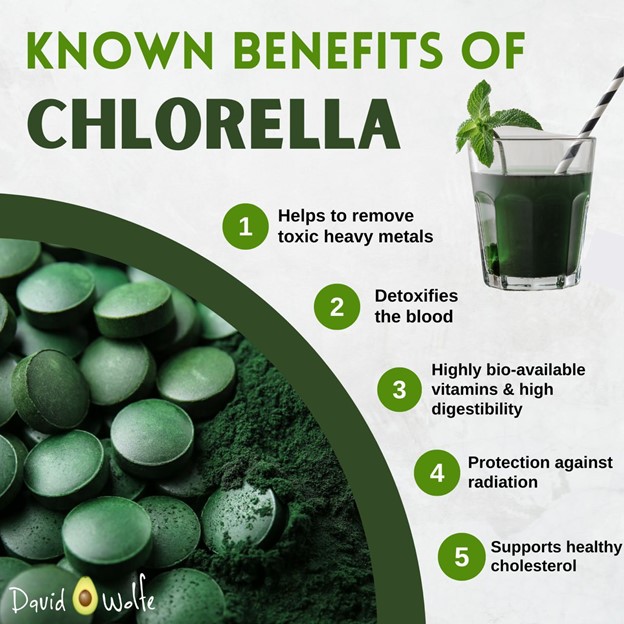
Chlorella and Detoxing


If you are looking to detoxify from your mercury fillings, it is best to look into Chlorella.


Chlorella is part of the blue-green algae family that is loaded with antioxidants. It is a sea plant usually found either in fresh or salt water. It is a complete protein source, meaning it contains all nine essential amino acids. Chlorella is also an excellent animal-free Omega 3 source, and it has natural anti-inflammatory properties. This superfood can support the circulatory system, promote brain health, fortify the immune system, detox heavy metals and promote kidney and liver health. We recommend it highly if you are trying to detox from your mercury fillings or just to keep your health strong.


The whole chlorella plant is used to make nutritional supplements and medicine. There are several species of chlorella, with Chlorella vulgaris being one of the most commonly used in supplements. Best to buy organic, broken cell Chlorella to get the maximum absorption and health benefits.


So what are the main benefits of Chlorella?

• Detoxifies Heavy Metals

• Detoxifies Radiation and Chemotherapy

• Strengthens Your Immune System

• Promotes Weight Loss

• Promotes kidney, liver, brain and blood health

• Lower blood pressure

• Lower cholesterol

• May help alleviate PMS symptoms

• Raise B-12 levels (important for vegans)

• Improve mental function

• Boost energy levels


Chlorella is also nutrient dense. It is a good source of:

• Vitamin D

• Vitamin B12

• Folate

• Iron

• Carotenoids

• Antioxidants

• Omega-3 fatty acids

• Protein


Chlorella powders can be added to smoothies, soups and even dips like guacamole or hummus. I would suggest starting out with a small dose, maybe a fourth of a teaspoon and work your way up to more. Chlorella can come as a powder, capsule, extract or tablet form. It is highly suggested to look for reputable companies that do third-party testing.


Be sure to ask which brands we recommend at your next appointment.

May 17, 2023

Screening for Oral Cancer

Mouth and throat cancers are on the rise. And the number one cause of these types of cancers is not from smoking, and not from alcohol use. These used to be the most common causes, but times have changed. Nowadays, the number one cause of oral cancer is from the HPV virus.


So what is the HPV virus?


According to recent studies, 79 million Americans are presently living with the Human Papilloma Virus (HPV). The number of people who have oral HPV has continuously increased over the past three decades. The CDC says nearly everyone will get a form of HPV at some point in their lives, and about 14 million Americans, including teens, become infected each year. It is more common in men than women.


There are low-risk HPV types which have a low association with cancer, but these can lead to genital warts or oral papillomas.


And there are high-risk HPV types which can cause cell changes and pre-cancers. The most common high-risk HPV types include HPV 16 and 18. These contribute to chronic, or long-lasting infections that can convert to cancer over time.


So how does one acquire the HPV virus?


Oral HPV occurs when the virus enters the body, usually through a cut or small tear inside of the mouth. According to the CDC, these are the most common risk factors:


• Oral sex. Evidence suggests that an increase in oral sexual activity may be a risk, with men being more at risk, especially if they smoke.

• Multiple partners. Having multiple sexual partners may increase your risk. According to the Cleveland Clinic, having more than 20 sexual partners over your lifetime can increase your chances of getting an oral HPV infection by up to 20 percent.

• Smoking. Smoking has been shown to help promote HPV invasion. Inhaling hot smoke makes you more vulnerable to tears and cuts in the mouth, and is also a risk factor for developing oral cancers.

• Drinking alcohol. Research has indicated that a high intake of alcohol increases the risk for HPV infections in men. If you smoke and drink, you’re at an even higher risk.

• Open mouth kissing. Some research has said that open mouth kissing is a risk factor, as it can be transmitted from mouth to mouth, but more research is necessary to determine if this increases your risk for oral HPV.

• Being male. Men have a greater risk of receiving an oral HPV diagnosis than women.

• Age. It’s more common in older adults because it takes years to develop.


All these factors together can create the worst scenario for developing oral cancer. And this is how the actor Michael Douglas believes he developed his Stage 4 oral cancer back in 2010. You can read about him here.


In the past, it has been difficult to diagnose oral HPV, until a (cancer) lesion was actually present. But now there is a simple painless Saliva Test that can be done in your dentist’s office to see if HPV is present, and which types, if any. The prognosis is excellent if HPV is discovered early, before the cancer develops.


At your next dental visit, be sure to ask for this simple diagnostic screening test. With proper health care, most oral HPV infections will go away on their own without treatment. But you would need to know its presence before taking steps to eradicate it.

April 9, 2023

Intermittent Fasting

Looking for a simple way to lose excess weight and gain more energy? Then Intermittent Fasting may be the answer for you.

Intermittent fasting is an eating pattern where you cycle between periods of eating and fasting.

It is not a question of which foods to eat, but rather when you should eat them.

There are several different intermittent fasting methods, all of which split the day into eating periods and fasting periods. This diagram explains more.


There are lots of health benefits to Intermittent Fasting, so it is definitely worth a try. If you find it difficult to go the distance, it might be helpful to have an electrolyte drink or herbal tea to hold you over.

Most people already “fast” 8 hours every day, while they sleep. So if you can just hold off a few more hours, it can make a world of difference in your health.

The easiest method is to skip breakfast, eat your first meal at noon or later and then your last meal by 8 pm. In this way, you’re technically fasting for 16 hours every day, and restricting your eating to an 8-hour eating window. This is the most popular form of Intermittent Fasting, known as the 16/8 method.

Despite what you may think, Intermittent Fasting is actually fairly easy to do. Many people report feeling better and having more energy during a fast.

Hunger is usually not that big of an issue, although it can be a problem in the beginning, while your body is getting used to not eating for extended periods of time.

Here are some health benefits that occur when you fast:

  • Human Growth Hormone (HGH): The levels of HGH skyrocket, increasing as much as 5-fold. This has benefits for fat loss and muscle gain. A game changer in losing unwanted pounds and improving overall stamina.
  • Insulin: Insulin sensitivity improves, and levels of insulin drop dramatically. Lower insulin levels make stored body fat more accessible to be utilized. A1c  may enter a more perfect range (lower than 5.7%)
  • Cellular repair: When fasting, your cells initiate cellular repair processes. This includes autophagy, where cells digest and remove old and dysfunctional proteins that build up inside cells.
  • Improve heart function by reducing inflammation. See this recent study
  • Reduce pain caused by inflammation.
  • Gene expression: There are changes in the function of genes related to longevity and protection against disease.
  • Improve brain function. See this link.  

         Oral Health Benefits

·        Lowers the number of microbes in your mouth

·        Balances the saliva pH

·        Reduces inflammation of periodontal disease.

·        Reduces the risk of decay

 It is important to keep hydrated during Intermittent Fasting, as dehydration can occur while eating and drinking less frequently.

Personally, I make sure to keep up my electrolyte intake throughout the fasting time. This is as simple as drinking water with a quality mineral salt added or adding a flavored electrolyte powder to your water.

When you come for your next appointment, we can discuss specifics on the best way to do this.

There are tons of anecdotal stories on Goggle search or Pub Med where chronic disease has disappeared with fasting. So if this is a concern of yours, Intermittent Fasting may help you on your road to healing.

February 13, 2023

Vitamin K-2 for Healthy Teeth and Bones

 When we think about how we can make our teeth and bones stronger, the first Vitamin that comes to mind is Vitamin D. As we discussed in our previous post  (Vitamin D: How much do we need?) Vitamin D is essential for healthy bones and teeth. But you will see here that it is so much more effective when taken with Vitamin K-2.


Vitamin K-2, or menaquinone, is the missing link that Dr. Weston Price referred to when he did his studies of nutrition, dental health, and physical health.


In 1945, Dr. Price described “a new vitamin-like activator” that played an influential role in the utilization of minerals, protection from tooth decay, growth and development, reproduction, protection against heart disease and the function of the brain. He determined that this compound—which he called Activator X—was found in the butterfat, organs and fat of animals that consumed rapidly growing green grass (in other words, grass-fed animals), fish eggs, and also in fermented foods. It was 40 years later that Activator X was determined to be Vitamin K-2


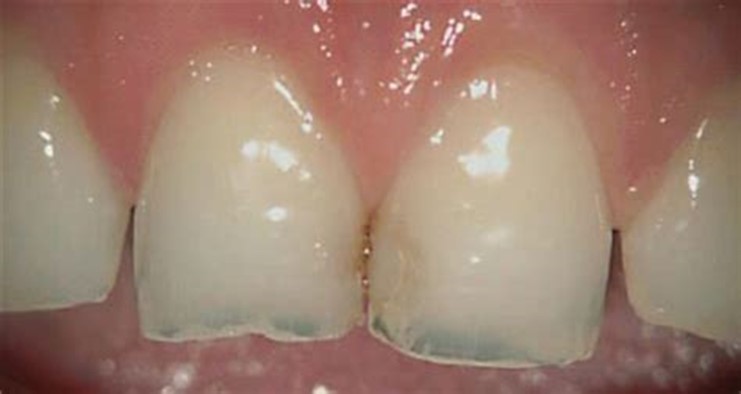
Demineralized Chipped and Transparent Teeth

.


So what are the implications of Vitamin K-2 with dental health?


The most obvious would be bone support holding your teeth in your jaw. If your teeth are loose or your gums are receding, chances are that you are deficient in Vitamin K2. Concomitantly with that, there would be osteopenia or osteoporosis. So it might make sense to get a bone density test, if you are diagnosed with periodontal bone loss.


Another implication of Vitamin K-2 deficiency would be the density of your teeth. If your teeth are thinning, looking more transparent, or have lots of dental cavities (even if you brush and floss daily), then your Vitamin K-2 may be low. At deficiency levels, your teeth will slowly demineralize, making them very susceptible to chipping and decay.


Also notable would be the structural bone growth of children. Vitamin K-2 deficiency will usually create tooth crowding due to underdevelopment of the upper and lower jaws. Vitamin K-2 is essential for bone development as well as bone growth and bone density. Vitamin K-2 promotes healthy bone mineral density by carboxylating osteocalcin, a protein that binds calcium to bones.


There are other health benefits associated with Vitamin K-2.

  • Heart health. Activates a protein that prevents calcium deposits from forming in the walls of blood vessels. If your K-2 levels are good, it lowers your odds of aneurysm or heart attack.
  • Reduce tumor growth. Has antioxidant properties that may help protect against cancer. In addition, findings suggest that K-2 may suppress genetic processes that lead to tumor growth.
  • Normalize blood sugar levels. Interacts with osteocalcin which may help the body to use insulin more effectively
  • Improve brain health. Mostly due to its antioxidant properties and prevention of blood clots everywhere.


It is clear that Vitamin K-2 plays a vital role in achieving excellent health.


In my many years of dental practice, I have helped countless numbers of patients with obvious Vitamin K-2 deficiency. It is easily correctable if you add the necessary beneficial foods or proper supplement.


To learn more, it would be wise to make an appointment with an informed health practitioner who can guide you appropriately.


January 2, 2023

Vitamin D: How much do we need?


Vitamin D is an essential nutrient that helps regulate calcium and phosphorus in the body. It plays a major role in maintaining proper bone and tooth structure. Most recently, it has been implicated as a necessary nutrient to keep our immune system strong and is an important marker (need high blood values) in recovering from Covid.


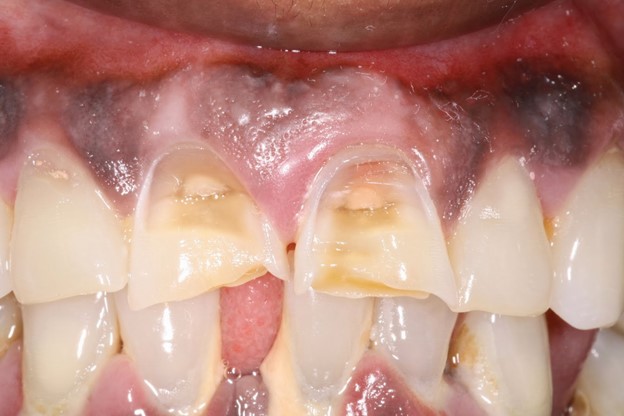
Demineralized teeth from Vitamin Deficiency


So if you have periodontal disease (gum inflammation and bone loss), rampant tooth decay, osteoporosis or immune issues, you should definitely get your Vitamin D levels evaluated. Healthy blood levels should be between 60 to 80 ng/ml. Conventional medicine says any number above 20 ng/ml is enough. It isn’t.


There are different forms of vitamin D: ergocalciferol (vitamin D2) and cholecalciferol (vitamin D3). Vitamin D3 is twice as effective as D2 and easier for your body to use.


Vitamin D is found in fish, eggs, and fortified milk. It's also made in our skin when exposed to sunlight. During periods of sunlight, vitamin D is stored in fat and then released when the body needs it and no sunlight is available. Without adequate vitamin D levels, your body will only absorb 10-15% of the calcium you eat from your diet. Health problems are sure to follow.


So how much Vitamin D do we need each day? According to this Pubmed research, doses of 800-5000 IU/day should be enough. Enough to prevent deficiency and obvious health problems. If your blood values are low (less than 30 ng/ml) you might need more. Also, bear in mind that Vitamin D is a fat soluble vitamin and needs to be taken with a fatty meal to maximize absorption. If you are just popping your vitamin D with a salad, you may be getting no benefit from the vitamin.


As an extra note, I want add that it is possible to overdo Vit D intake. Recent research has shown that high blood levels of Vitamin D ( more than 100 ng/ml) may cause hypercalcemia leading to calcification of soft tissues and blood vessels. This may result in cataracts, kidney issues (nausea, high blood pressure, excessive urination and thirst), fatigue, dehydration, muscle weakness, heart arrhythmia and dizziness.


Best to speak with your licensed health provider to determine how much supplementation you should take daily. Or bring your lab blood results to to your next dental visit, and I can guide you accordingly.

November 3, 2022

Nourishing Pumpkin Soup

When cleaning out the freezer this weekend, I noticed that I had a few bags of frozen pumpkin puree. I had just finished making a fresh batch of BONE SOUP, so it seemed like the perfect time for making the bone soup into pumpkin soup.


The way I make Pumpkin Soup is quite simple and quite delicious. Unlike most recipes for pumpkin soup, my version has no dairy, no brown sugar, and is full of nutrients.

My recipe below is very basic. You can adjust quantities of spices and maple syrup to your own taste.  Sometime I add no maple syrup, as the pumpkin can have its own sweetness.  You can also substitute pureed squash for the pumpkin to give the soup a whole new flavor.


Nourishing Pumpkin Soup –Base recipe

1 TBSP olive oil

1 medium onion chopped

1 tsp. Cinnamon

1/2 tsp. Cloves

1/4 tsp Nutmeg

1/4 tsp Ginger

2 cloves garlic chopped

1 quart of bone soup or chicken broth

4 cups of pumpkin puree (or two 15 oz cans)

1-2 TBSP Maple syrup (optional)

Chopped cilantro or walnuts for garnish (optional)


Directions

1. Sauté onion and garlic in olive oil.

2. Add the spices and sauté a bit to bring out their flavors.  

3. Stir in the bone broth.

4. Blend in the puree.

5. Bring to a low simmer.  

6.  Keep stirring to make it a smooth creamy consistency.

7.  Serve warm. Garnish with chopped cilantro or walnuts if desired.

The amounts of spice listed are not exact. It really depends on your taste buds. You might want to start with half the amounts listed and add more as you do a taste test. For me, I add a lot more ginger for that additional kick in flavor. But some people do not like the taste of ginger, so you might start with just a pinch. You could also use Pumpkin Pie Spice instead of the individual spices listed.

I hope this recipe warms your soul as well as your stomach.  You no longer have to eat heavily sweetened and cream laden pumpkin soup anymore. This version is so much healthier. 

Bon Appetit!

September 27, 2022

Granola – A Healthy Alternative Cereal

As many of you may know, I love to cook. Give me any recipe, and I will find a way to make it healthier.  So when a patient asked what to feed her 5 year old child who loves conventional cereal, the first thing that came   to mind was Granola. Sure it’s not the healthiest food out there, but it’s a lot better than Fruit Loops and Coco Pebbles.

Conventional cereals made with white flour, white sugar and lots of preservatives and artificial flavors and colors, can’t be healthy for anyone. And especially if the ingredients are GMO’ed.

So I told my patient Lorie that I would share a simple Granola recipe that I have used for years. You only need one bowl and some basic baking ingredients.


This delicious healthy granola recipe is naturally sweetened with maple syrup (or honey). It’s made with oats, coconut oil and your favorite nuts and fruit. Always best to use organic ingredients if possible.

        Basic Ingredients                   Finished Product                 


Healthy Granola

INGREDIENTS

·         4 cups old-fashioned rolled oats (instant or quick, not steel cut)

·         1 ½ cup raw nuts and/or seeds (I have used walnuts, pecans, almond slivers or raw cashews or shelled pumpkin seeds)

·         1 teaspoon fine-grain sea salt (I use Himalayan)

·         1 teaspoon ground cinnamon (Ceylon Cinnamon is healthiest)

·         ½ cup melted coconut oil

·         ½ cup maple syrup or honey

·         1 teaspoon vanilla extract (use 2 teaspoons if you want)

·         Optional: coconut chips (unsweetened) or 1 tsp ground ginger or 2 TBSP of ground orange peel. Depends on what flavor you are looking for. Just use your imagination!

After fully baked and cooled, mix in:

·         For fruity granola: ½  cup any chopped dried fruit (like figs or apricots) or just  use raisins or dried cranberries

·         For chocolate granola: ½ cup chocolate chips (look for brands sweetened with monk fruit instead of sugar)

INSTRUCTIONS

1.     Preheat oven to 350 degrees Fahrenheit and line a large, rimmed baking sheet with parchment paper. Do not use wax paper as it may melt at this temperature.

2.     In a large mixing bowl, combine the oats, nuts and/or seeds, salt and cinnamon. Stir to blend.

3.     Pour in the oil, maple syrup and/or honey and vanilla. Mix well, until every oat and nut is lightly coated. Pour the granola onto your prepared pan and use a large spoon to spread it in an even layer.

4.     Bake until lightly golden, about 21 to 24 minutes, stirring halfway (for extra-clumpy granola, press the stirred granola down with your spatula to create a more even layer). The granola will further crisp up as it cools.

5.     Let the granola cool completely, undisturbed (at least 45 minutes). Top with the dried fruit (or optional chocolate chips, if using). Break the granola into pieces with your hands if you want to retain big chunks, or stir it around with a spoon if you don’t want extra-clumpy granola.

6.     Store the granola in an airtight container at room temperature or in a sealed freezer bag in the refrigerator.

Yields about 8 cups granola, enough for about 16 half-cup servings.

             Enjoy!

Once you try fresh home baked granola, you won’t go back to the store-bought variety. This tastes so much better and is far healthier than anything you can get in the supermarket.  Plus it is so easy to make.  Bon appetit!